

Why AI needs dialectics — and why we need “Peaceful Warrior” mode
Intelligence, in the dialectical sense, is the ability to grow through conflict. AI can either support this growth or undermine it — depending on the state of our inner soil. A psyche is like a garden. A gate may appear open, yet the soil inside may be dry and hardened. Another gate may seem closed, yet behind it the soil is rich and ready for growth.
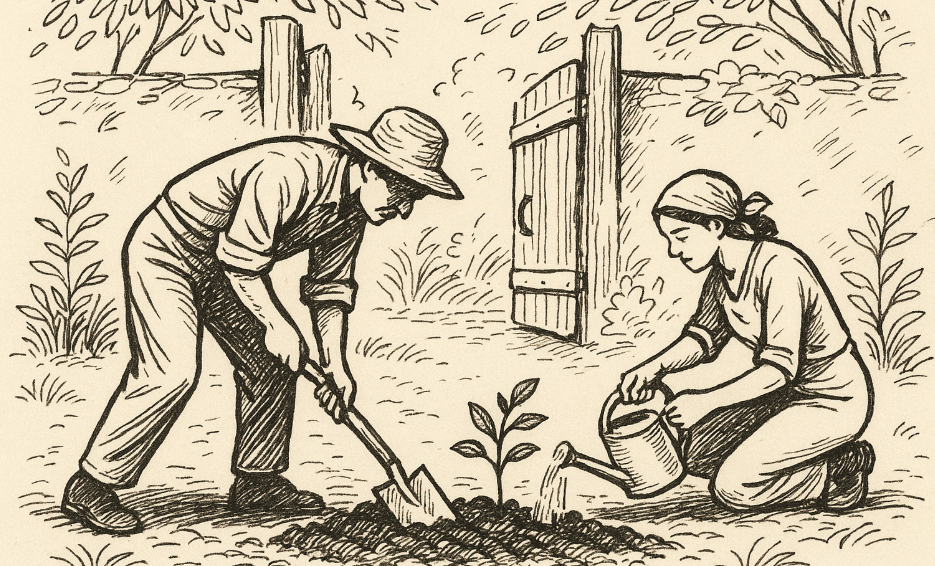
Dialectics is the shovel. AI can hand us the shovel — but whether we plant or destroy depends on our deeper stance.
The Inner Soil
The condition of our inner soil can be mapped:
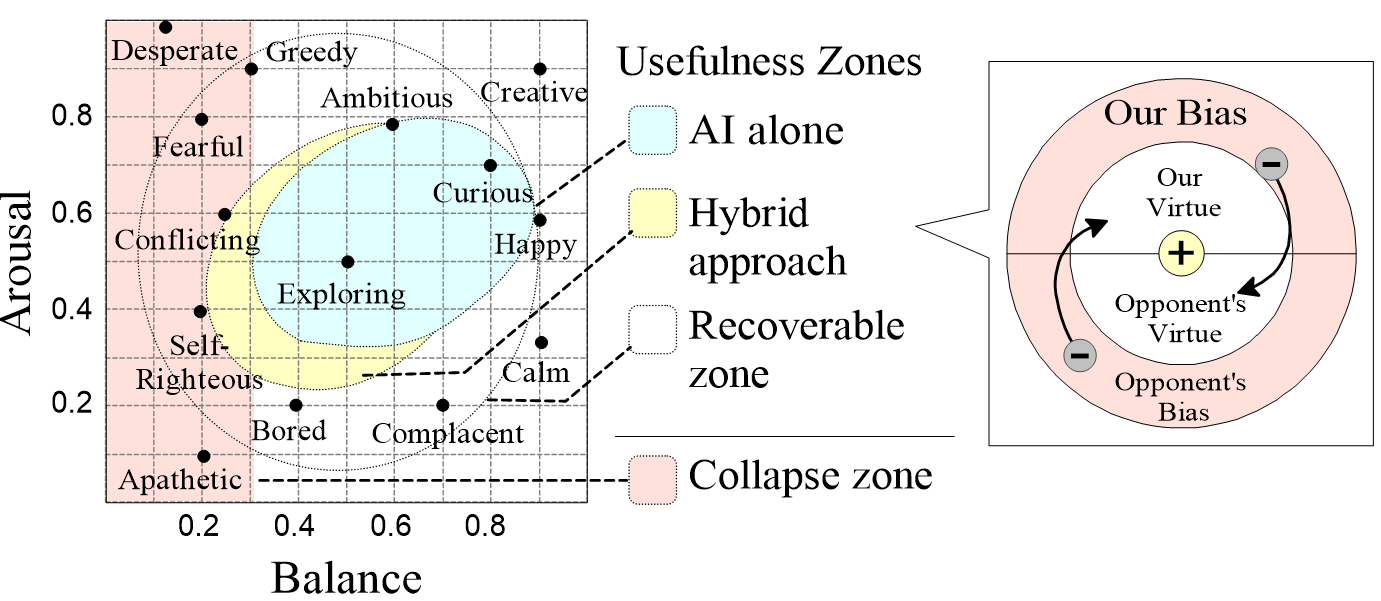
Fig. 1. Helpful and harmful zones of AI.
Balance reflects inner self-regulation. Arousal reflects emotional activation. The blue zone is where AI is useful — curiosity, reflection, inner flexibility. The red zone is where the psyche closes (self-righteousness, despair, apathy), and AI amplifies defensive reasoning.
The Recoverable Zone
Many emotionally charged states still retain some openness (the dotted oval in Fig. 1). The yellow zone marks where a hybrid approach — AI combined with human guidance — is effective (see Joshi (2025)). This is where the Eye Opener can help, because the psyche is still flexible enough to recognize the following:
- Our bias is a rigidified virtue (e.g., Honesty → Harshness)
- Opponent’s bias is amplified by our rigidity
- Opponent’s virtue is the missing complement to ours
(e.g., Harsh Honesty becomes Skillful Honesty when joined with Tact and Compassionate Timing)
Integrating the opponent’s virtue dissolves the conflict at its root. In contrast, clinging to our virtue turns it into ideology — and ideology reliably turns friends into enemies. This is a dynamic law of interaction, structurally akin to Newton’s third law:
Every assertion produces a counter-assertion of equal magnitude, even if unspoken.
The Collapse Zone
Such considerations cease to work in states of self-righteousness, despair, or apathy.
Self-righteousness is particularly deceptive, because it feels like confidence — as in leaders who demonize their opposition and deny that anything valuable could come from them. When virtue hardens into certainty, it becomes ideology.
At this point, only the opponent’s bias remains visible, while our own appears as unquestionable truth (see, e.g., Scheffer et al. 2022 on belief traps).
AI can then justify this stance — presenting a “pleasing objectivity” that feels rational, while in fact substituting simulation for reality. This diverts us from painful self-correction:
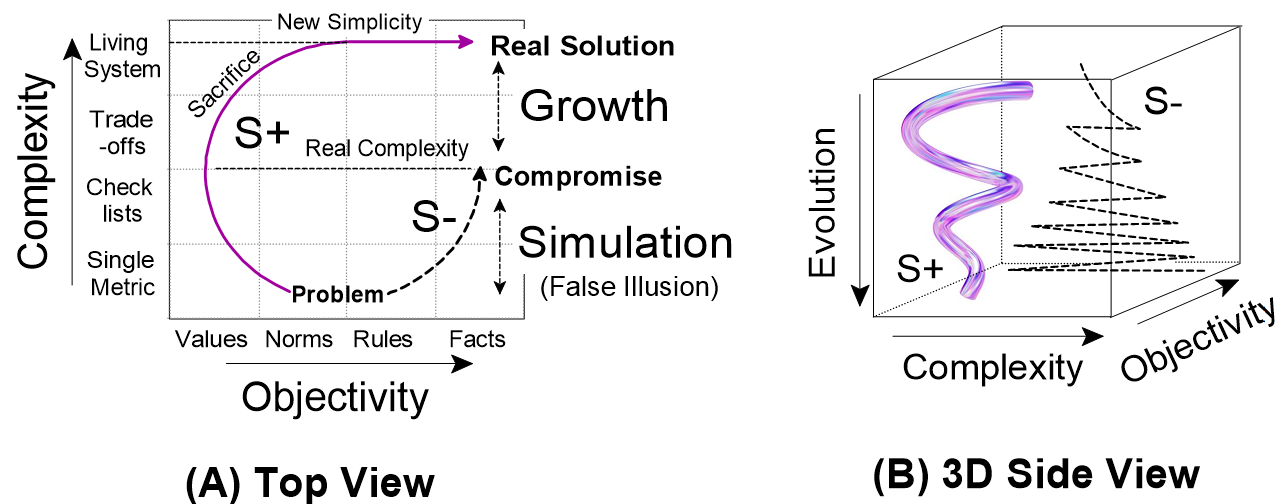
Fig. 2. Growth vs. Simulation
S+ (positive synthesis) moves through the painful transformation of biased convictions toward a higher-level simplicity. Meanwhile, S– (negative synthesis) imitates resolution without transformation and therefore requires ever-increasing justification. Over time, the S+ trajectory approaches a converging spiral, where each new step requires less effort. The S– line zigzags with expanding amplitude, because unresolved problems accumulate as internal strain.
Intelligence grows through sacrifice — the willingness to let part of the old self die. When sacrifice is shifted onto the opponent, intelligence collapses into ignorance.
Fighter Mode vs. Warrior Mode
The red-zone trap is hard to escape, because we treat truth like a battlefield. This is the Fighter stance, trapped in S– simulation, where dialectics degenerates into fallacy, or worse, a weapon of mass deception.
But growth does not come from defeating the opponent. It comes from reconfiguring oneself—the essence of the Warrior mentality:
“The ordinary person seeks certainty in the eyes of others and calls that self-confidence. The warrior seeks impeccability in his own eyes and calls that humbleness.” — Carlos Castaneda, The Teachings of Don Juan
The Warrior does not confuse the map with the territory, and uses dialectics only to transform the inner soil:
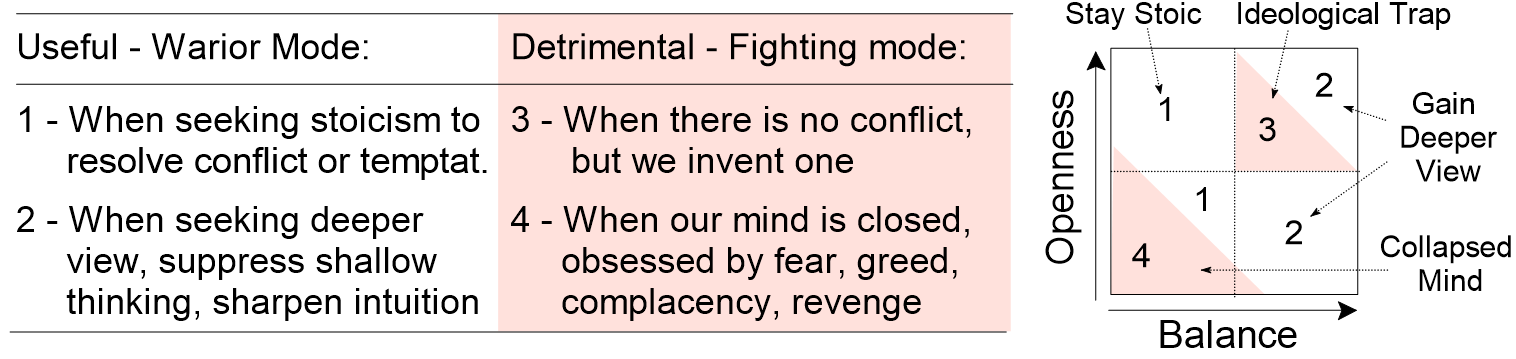
Table 1. When Dialectics Is Useful and When It Is Detrimental
The same shovel grows a garden in the Warrior — and digs trenches for the Fighter